
Dispensary SEO and Marketing Across Canada

Marketing a Canadian Dispensary Starts With Your Province's Rulebook

A Canadian dispensary can't show people enjoying cannabis, can't quote a happy customer and can't give a free pre-roll to bring someone through the door. Then your province adds its own layer. In BC, a loyalty program is off the table. In Alberta, your ads can't show a price.

With so many advertising restrictions, my first check is how easily shoppers can spot your dispensary in Google results, reach your menu and confirm you're open. I'd also look at what AI assistants tell people about your locations, without assuming they're already sending customers your way. I've worked with Canadian cannabis businesses since 2017, and once those basics are right, I'd add the few paid channels your province allows.

Daniel Lynes"Best SEO services for the Cannabis industry." Daniel Lynes, TheBakeryCannabis.ca, Toronto

Canadian Dispensary Review

Drop in your dispensary's website, and Vee will put your Google Maps listing beside the dispensaries closest to you, check your site against your province's rules and email his notes within two business days.

No cost, kept private, and nobody calls you afterward.

  • SEO since 2004
  • Cannabis marketing since 2017
  • Remote team for US and Canadian operators
  • Canadian rules checked October 27, 2026

Canadian Cannabis Retail in Brief, October 2026

  • Ontario: 1,780 authorized dispensaries when 2025 closed, with $2.28 billion in legal sales over the year, per the Ontario Cannabis Store
  • British Columbia: 556 licensed cannabis retailers, government and private, in mid-June 2026
  • Alberta: 713 licensed dispensaries on March 31, 2025, per AGLC figures, and since 2022 every online sale goes through a licensed dispensary's own website
  • Manitoba: 252 private dispensaries on the regulator's list, and the province runs none of its own
  • Saskatchewan: 205 dispensaries in July 2026, and in 2025 the most per person of any province
  • Nova Scotia: the NSLC sells through 84 locations, and qualifying Mi'kmaw bands can run on-reserve shops under NSLC agreements
  • Google: a Search-only cannabis ad pilot in Canada runs until December 31, 2026, and authorized private retailers were added in March 2026

What the Cannabis Act Lets Your Dispensary Say

The starting point is blunt. The Cannabis Act bans promoting cannabis unless the Act itself allows it. What it allows is narrow: factual information and brand preference, sent by name to someone 18 or older, shown in a place minors can't enter, or shared online with real steps to keep young people out.
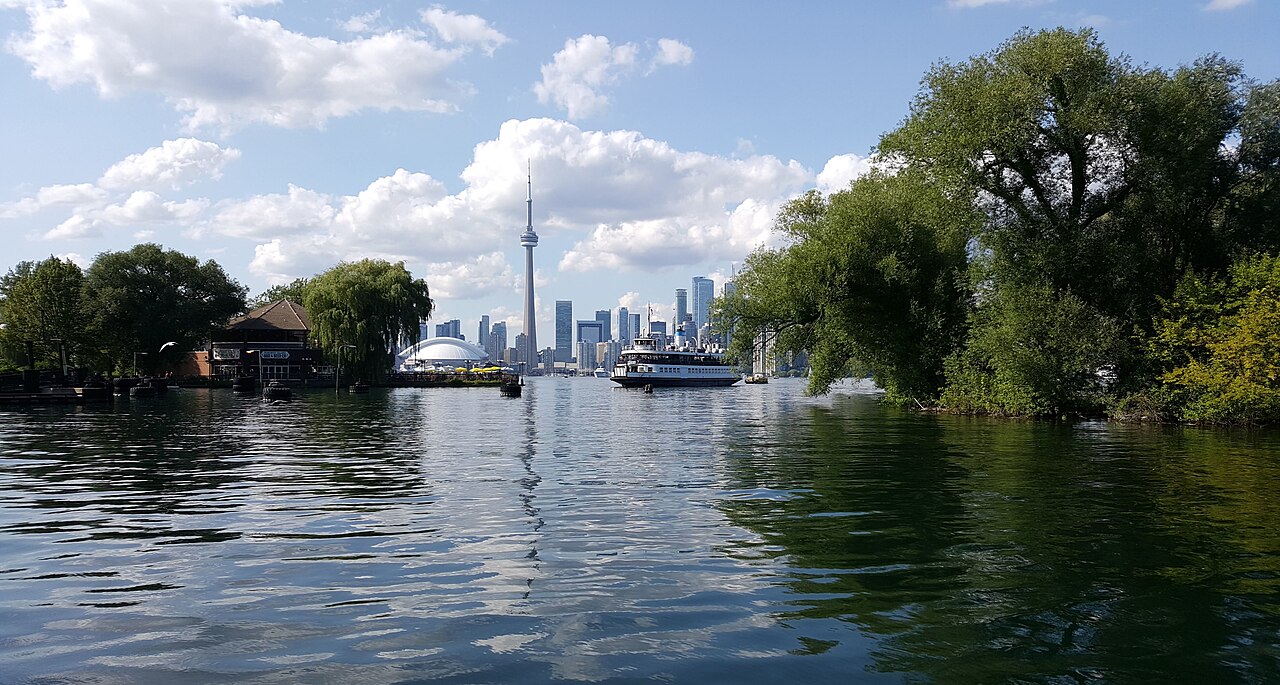
Toronto skyline and CN Tower seen across the water from Centre Island
Toronto from Centre Island. Photo: Whpq, CC BY-SA 4.0, via Wikimedia Commons
Federal ruleIn practice for you
No lifestyle advertisingNo images or words that tie cannabis to a way of life; Health Canada names "glamour, recreation, excitement, vitality, risk or daring"
No testimonials or endorsementsYou can't feature a customer's review or a famous face in your promotion
No people, characters or animalsReal or cartoon, they stay out of anything promoting cannabis
No inducementsNo buy-one-get-one, no free pre-roll, no free t-shirt with purchase and no contest tied to buying
In-store price signsAt the point of sale you can show that a product is available and what it costs, and nothing more
Loyalty programsHealth Canada says a program isn't an inducement on its own, but the rewards it hands out can be (and BC bans them outright)
PenaltiesFines up to $5 million and up to three years in prison on indictment

Email and text campaigns also have to follow Canada's anti-spam law, CASL. Depending on the relationship, you may have implied consent for up to two years after a purchase or six months after a qualifying inquiry. You still need to identify your business, provide the required contact details and include a working unsubscribe option. I'd check how consent was collected before sending anything.

Our ad creative rules go through what a single ad can and can't include.

How the Rules Change Province by Province

Ottawa sets the floor and each province builds on it. I've grouped the six provinces we work in by the rules that most often change a marketing plan. One caution up front: I've summarized each province's handbook for planning, and your license conditions are what you answer to. Our Canadian cannabis marketing rules guide lines up every province and territory, with a source for each rule.

ProvinceRegulator and retail modelMarketing rules that catch dispensaries outOnline and delivery
OntarioAGCO licenses private stores; the Ontario Cannabis Store is the wholesalerNo free cannabis or other purchase incentives; you can't take marketing money, paid shelf space or co-branded ads from licensed producers; the requirement that cannabis not be visible from outside your store was removed on May 23, 2025Delivery and curbside pickup from your licensed store, allowed permanently since March 15, 2022
British ColumbiaLCRB licenses stores; the BC Liquor Distribution Branch wholesales and runs BC Cannabis StoresNo loyalty programs of any kind; nothing cannabis-related in your windows; store names can't use "dispensary", "pharmacy" or "drug"; no selling below the floor priceOnline, phone and delivery orders allowed within BC, between 9 in the morning and 11 at night
AlbertaAGLC licenses stores and is the wholesalerAds can't show a price or name a product, only brand information; no testimonials; promotion outside the store goes only to named, age-checked adults; since December 2025, suppliers can share the cost of ads for their own productsOnly through your store's own website, age-gated, Alberta only, up to 30 grams
ManitobaLGCA licenses stores; Manitoba Liquor & Lotteries supplies them; every store is privateAds must follow the Canadian Code of Advertising Standards; your license number goes on your website; you no longer have to cover your windows, since Bill 56 took effect on October 29, 2026Orders only through your own website; delivery only from your store
SaskatchewanSLGA issues permits; wholesale is private, from producers or permitted wholesalersNo free cannabis or accessories and no free gift cards; you set your own prices; online promotion must be visible only to adults; towns and First Nations can limit signs and hoursOnline sales need a physical store; delivery is prepaid, with ID checks
Nova ScotiaThe NSLC sells cannabis, and qualifying Mi'kmaw bands can run on-reserve shops under its agreements; there's no ordinary private retailMarketing work here is for licensed producers and brands selling through the NSLC, not stores; fines for illegal sellers rose to $50,000 in June 2026NSLC only

Sources: provincial handbooks and regulator pages read October 27, 2026, listed in the source line below.

Ontario operators can read more in our Ontario advertising rules guide. For the detail in your own market, open your province's page: Ontario, British Columbia, Alberta, Manitoba, Saskatchewan or Nova Scotia.

Your Website and Menu Do the Selling

With paid media this tight, a shopper may see nothing from you but your Google listing and your site before deciding where to go. If your dispensary uses Dutchie, Cova, Breadstack or another menu platform, I'd see whether Google turns up the products you actually sell. A quick test is to search for one of your popular strains alongside your city and see whether the correct menu page appears.

Then search your dispensary's name and look at the hours Google shows. If the menu page or the hours are wrong or missing, fix that before anything else.

Province rules shape the site too. Alberta and Saskatchewan expect an age check before visitors see promotion, Manitoba and Alberta want your license number on the site, and Alberta bars medical words from your store name. Our age gates ask visitors to confirm they're of age without hiding your hours, address and menu from Google.

Showing Up When Shoppers Ask AI

Ask ChatGPT which dispensaries are open near your address tonight. If the reply lists the wrong hours, mentions a dispensary that's closed or misses yours, I'd compare what it says with your website, Google listing and major directories. Inconsistent business information is one possible problem, but it isn't proof of why the assistant gave that answer.

The fix isn't glamorous. We line up every listing so the details agree, spell out your hours, pickup and delivery details in plain words on your site, and add behind-the-scenes code that hands Google the same facts. Our own study of Google's AI answers in 39 US cities found a local independent dispensary linked in most of them. That's US data, and I haven't run the same test in Canada yet, but it's why I start with accurate listings. I can't promise an AI assistant will name you. Keeping your own information accurate gives shoppers reliable details to check, even when an AI assistant doesn't mention your dispensary.

Cannabis Marketing Services for Canadian Operators

  • Dispensary SEO: getting every one of your locations seen on Google, with useful location pages, accurate business details and menus shoppers can reach
  • Cannabis SEO: pages for each product category and brand you carry, for producers and dispensary groups
  • Google Business Profiles and reviews: hours, photos, categories and review replies kept current for every location
  • Compliant paid media: Google Search ads under the Canadian pilot, and adult-only display where your province allows it
  • Email and text marketing: CASL-compliant messages to the customers who opted in

Canadian Results From Our Case Studies

Every number here is taken from a ColaDigital case study you can read in full, with its time frame. Three of the four come from Canadian businesses, and not one of them predicts what your dispensary will see.

"Best SEO services for the Cannabis industry."
Daniel LynesDaniel Lynes, TheBakeryCannabis.ca, Toronto
"Worked with Vee for almost two years and found him extremely accessible and always available. He took the time to explain not only what was being done, but why."

Alex SalamanAlex Salaman, Labstat
"…we made the right choice and we have seen more traffic to the site and more leads coming in."
Don HenkeDon Henke, Sales Manager, MMI Agriculture

View All Case Studies

The Ontario numbers matter most for Canadian dispensaries. Five dispensaries in five markets, from Hamilton to Midland, each with its own competition, and search clicks grew at every one of them: Midland 46.9%, Niagara Falls 39.3%, St. Catharines 33.8%, Welland 24.6% and Hamilton 22.7%. Hamilton's average Google position improved to 15.54 over that stretch, up from 25.75. We worked on each Ontario location separately, taking its nearby competition into account. The published case study shows what changed in Google Search Console over roughly six months, without claiming that one adjustment explains all the gains.

Canadian Review

See Where Your Dispensary Stands in Your Province

Send me your website, and I'll work out your province, your locations and the nearest competing dispensary for each. I'll search for each location on Google Maps and in the normal search listings, try your menu and age gate myself, and reply with the three changes worth making first.

  • Map position for each location
  • Menu and age-gate check
  • Your first three fixes

Vee reads every Canadian request himself and answers by email inside two working days.

Licensed Producers and Brands: Different Rules, Different Plan

If you grow or make cannabis rather than sell it, the provinces treat your marketing very differently. Ontario dispensaries can't accept marketing money, paid shelf space or co-branded ads from you. In Alberta, since December 2025, you can share the cost of a dispensary's ads for your own products. In Nova Scotia there are no private stores to work with at all, so your audience is the NSLC's buyers and the shoppers choosing between brands on its shelves. Nova Scotia-grown cannabis made up $39.9 million of the NSLC's $138.8 million in sales last fiscal year.

For producers, the search side usually means brand and product pages that answer what buyers and budtenders look up, plus content that helps a provincial buyer understand why your product earns a listing.

How We Work With Canadian Dispensaries

  1. Start With Your Province and Your Closest Rivals

    We read your license conditions, then map the dispensaries within driving distance of each location.

  2. Fix the Listings and the Menu First

    I'd check your Google listings, hours, age gate and menu first, then make sure any changes comply with the rules in your province.

  3. Add Paid Search While the Pilot Is Open

    If you're an authorized retailer, we test Google Search ads on your brand and local searches, kept inside Google's policy and your province's rules.

  4. Separate Numbers for Every Dispensary

    You see map position, search clicks, and the calls and direction requests from each Google listing, reported for every dispensary separately, so a busy location never covers for a quiet one.

What Canadian Dispensary Marketing Costs

Work starts at US$2,000 a month and can go past US$10,000 for multi-store groups or extra channels. Canadian clients are quoted and billed in Canadian dollars, and our pricing page lists the starting price for each service. A single Saskatoon dispensary and a 12-location Ontario group pay very different amounts; the competition near each location and how much repair your Google listings need on day one decide the rest. Ad budgets are paid straight to Google or whichever platform runs them. There's no long contract: you're billed month to month, and a 30-day notice ends it.

Canada: from US$2,000 a month, multi-store groups past US$10,000

Quoted and billed in CAD

Ad spend separate

Get Canadian Dispensary Marketing Help

Who We Work With in Canada

Single dispensaries, dispensary groups, producers and brands, from Nova Scotia to BC. If you've been hoping to run giveaways or influencer campaigns, I'll show you where your province draws the line before you spend a dollar on them.

Also operating in the US? See all our markets, including New York and Michigan.

Canadian Dispensary Marketing FAQs

Can a Canadian Dispensary Run Google Ads?

Yes, for now. Google's Canadian cannabis pilot allows Search ads from authorized private retailers, Health Canada license holders and government sellers. Google says the pilot runs until December 31, 2026, and it covers search ads only.

Can Canadian Dispensaries Run Instagram or Facebook Ads?

Not with paid ads, as far as we've seen. Meta has restricted paid advertising that promotes cannabis products, so check its current policy before spending. Unpaid posts still need to follow the Cannabis Act and your province's rules.

Are Loyalty Programs Allowed for Canadian Dispensaries?

It depends on your province. Health Canada says a loyalty program isn't an inducement by itself, but the rewards can be. BC bans loyalty programs of any kind, and Saskatchewan bans free cannabis, free accessories and free gift cards.

Can My Dispensary Show Prices in Its Ads?

Inside your store, the Cannabis Act lets you show what's available and what it costs. Alberta bans prices in advertising entirely, so outside the store your Alberta ads stick to brand information.

Can a BC Pot Shop Call Itself a Dispensary?

No. BC's regulator lists "dispensary", "pharmacy" and "drug" among the words a store name can't use, because they suggest medical sales. You can still describe yourself on your site as a licensed cannabis retailer.

How Long Before My Dispensary Shows Up Higher on Google Maps?

There's no fixed timeline for improving your position on Google Maps. Some business-detail updates may show up sooner than changes in where you appear, and the competition around your location matters. Our Ontario case study measured improvements over roughly six months, but that doesn't predict how quickly your dispensary will move.

What Does ColaDigital Charge in Canada?

Engagements start at US$2,000 a month, quoted and billed in Canadian dollars, and larger groups can pass US$10,000. Ad spend is separate.

Do You Work With Nova Scotia Cannabis Businesses?

Yes. Nova Scotia has no legal private stores, so most of that work is with producers and brands selling through the NSLC.

Is ColaDigital a Canadian Agency?

Yes. ColaDigital is a Canadian agency with a remote team, and we work for cannabis companies in both countries.

Talk Through Your Province With Vee

Say where you hold your license, who your nearest rivals are and whether you're curious about paid search. You'll get my honest take on what to change first and whether the Google pilot is worth a test before it ends.

It costs nothing, and Vee writes back personally within two business days.

Based on the Cannabis Act and the provincial rules listed below as read on October 27, 2026. We give marketing advice only, so take legal questions to a cannabis lawyer in your province.

Rules we checked: Cannabis Act ss. 17 to 29 and 44; Health Canada promotion prohibitions page (modified June 18, 2026); CASL guidance (fightspam.gc.ca, CRTC); AGCO Registrar's Standards 6.0 and inducement guidance; OCS By the Numbers 2025; BC CRS Licence Handbook and LCRB advertising and delivery pages; AGLC Retail Cannabis Store Handbook and December 10, 2025 promotions bulletin; LGCA license conditions (May 1, 2025) and store list; SLGA Cannabis Regulatory Policy Manual; Nova Scotia government releases (April 4, 2025; February 25, 2026); Google Ads Canada cannabis pilot pages; StratCann store and sales counts.